








Why Feminism Remains Incomplete Without Intersectionality
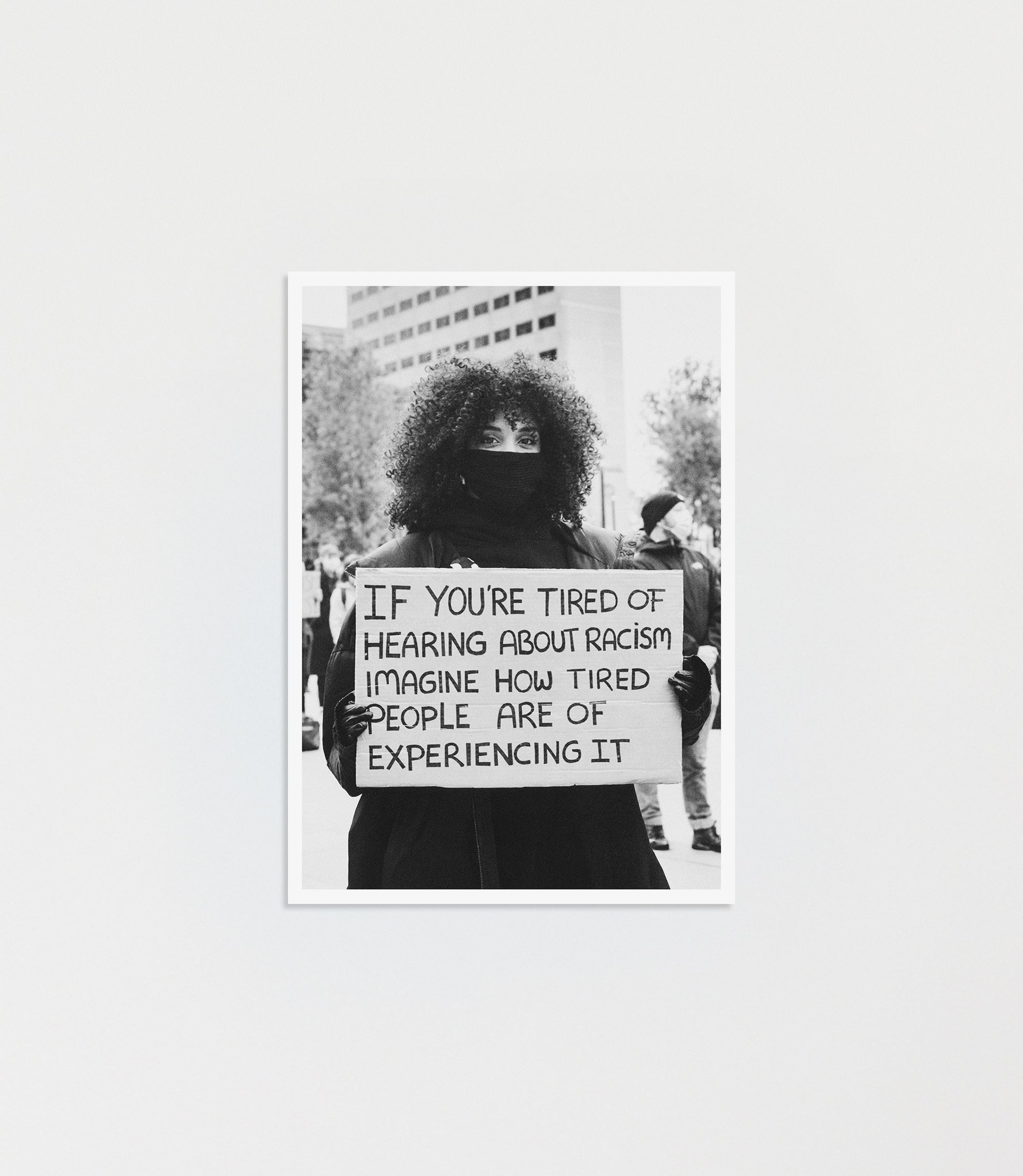
Feminism is not a uniform experience. Not all women experience oppression in the same way – and that is precisely what makes intersectionality so central to feminist work.
The term describes how different forms of discrimination can overlap and reinforce each other: gender, race, class, sexuality, disability, religion, or origin do not act in isolation but simultaneously. A white, academically educated woman experiences sexism differently from a Black, queer woman without secure residency status.
A feminism that ignores these differences risks becoming exclusionary itself. If equality is only conceived from the perspective of privileged women, many voices remain unheard – and many problems invisible.
Therefore, intersectional feminism does not only ask: "What do women need?", but:
Which women? Under what conditions? With what additional hurdles?
This also means acknowledging privileges within feminist spaces. It's not about guilt, but about responsibility. Those with more visibility can create space. Those less affected can listen instead of defining.
Intersectionality doesn't make feminism more complicated – it makes it more honest. It reminds us that liberation is not divisible. Either it applies to everyone, or it remains incomplete.
Read more
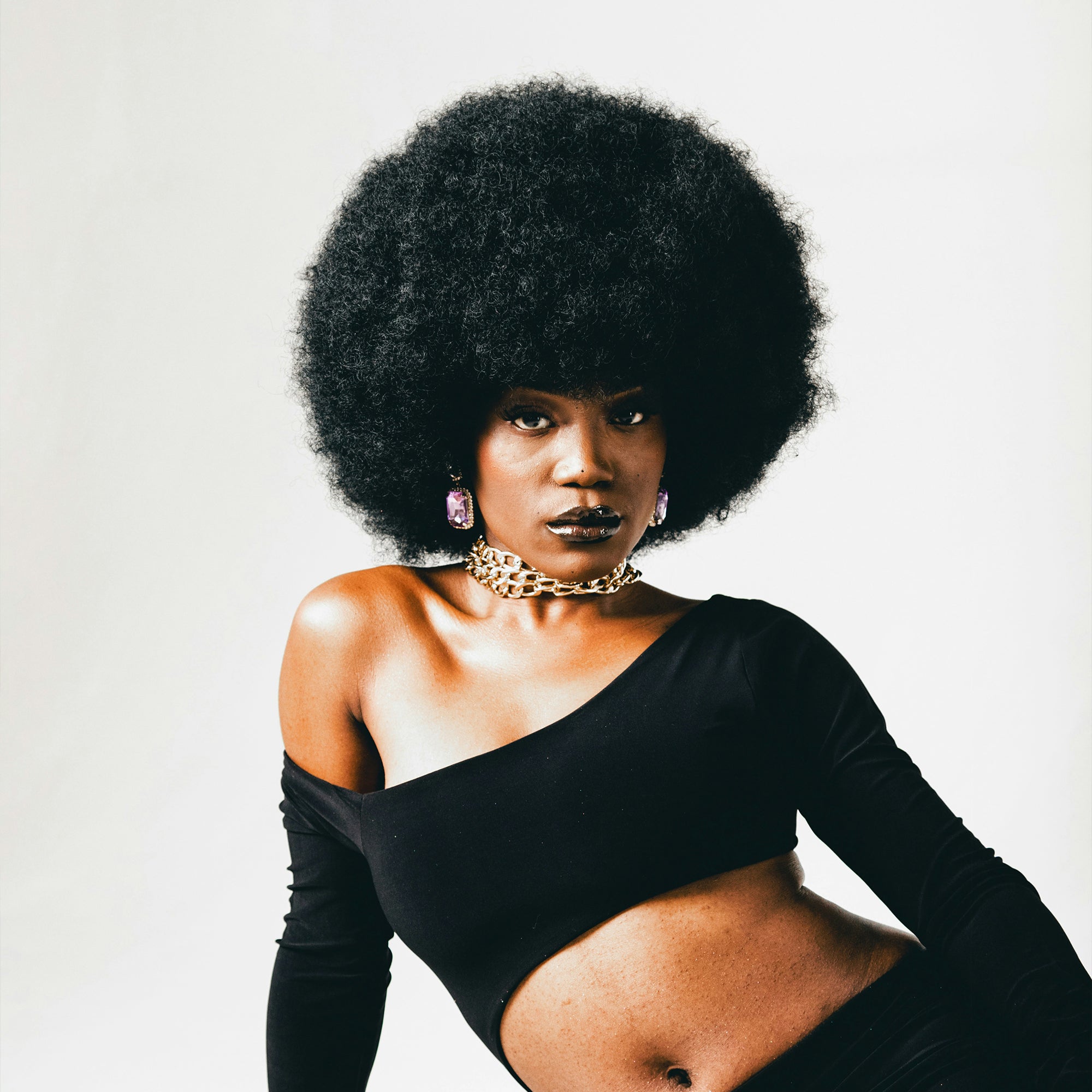
Few terms are debated as emotionally as cultural appropriation. Often, two camps face each other: Some see it as necessary criticism of exploitation, while others see it as an exaggerated restricti...
Few terms are debated as emotionally as cultural appropriation. Often, two camps face each other: Some see it as necessary criticism of exploitation, while others see it as an exaggerated restricti...